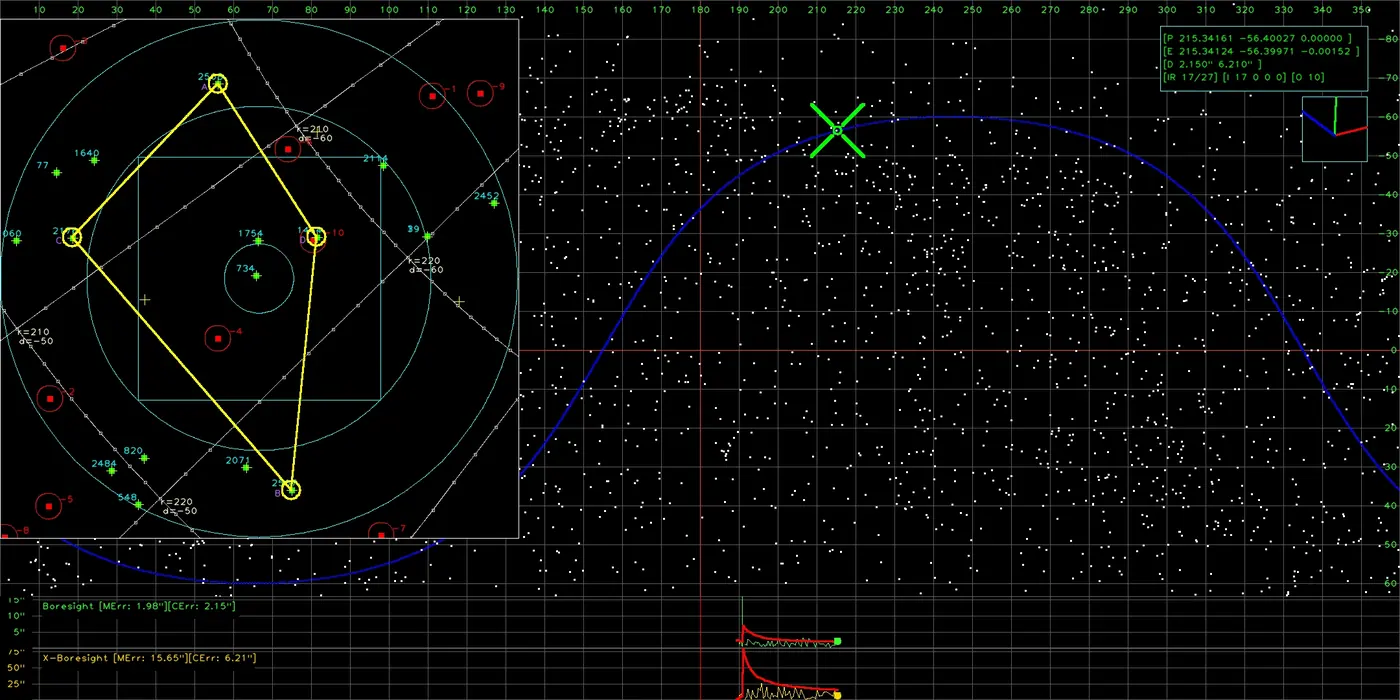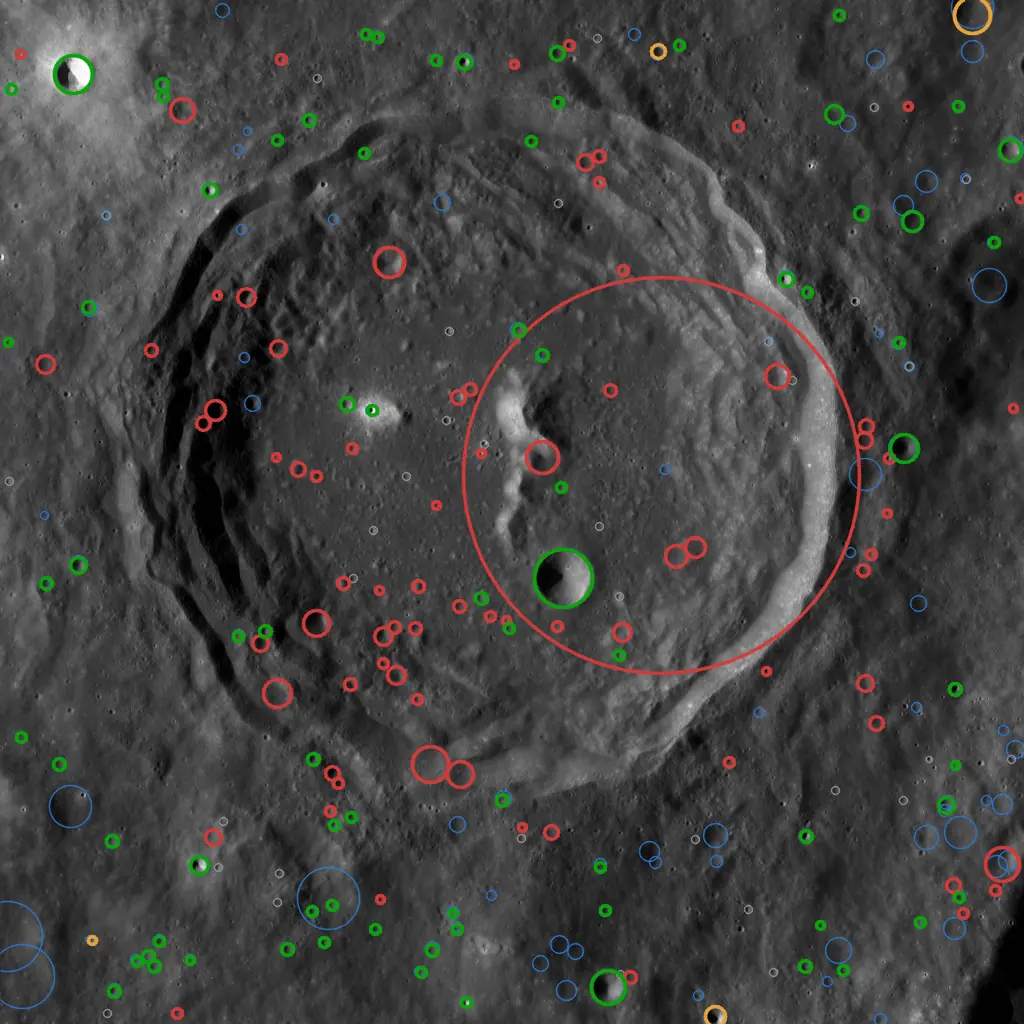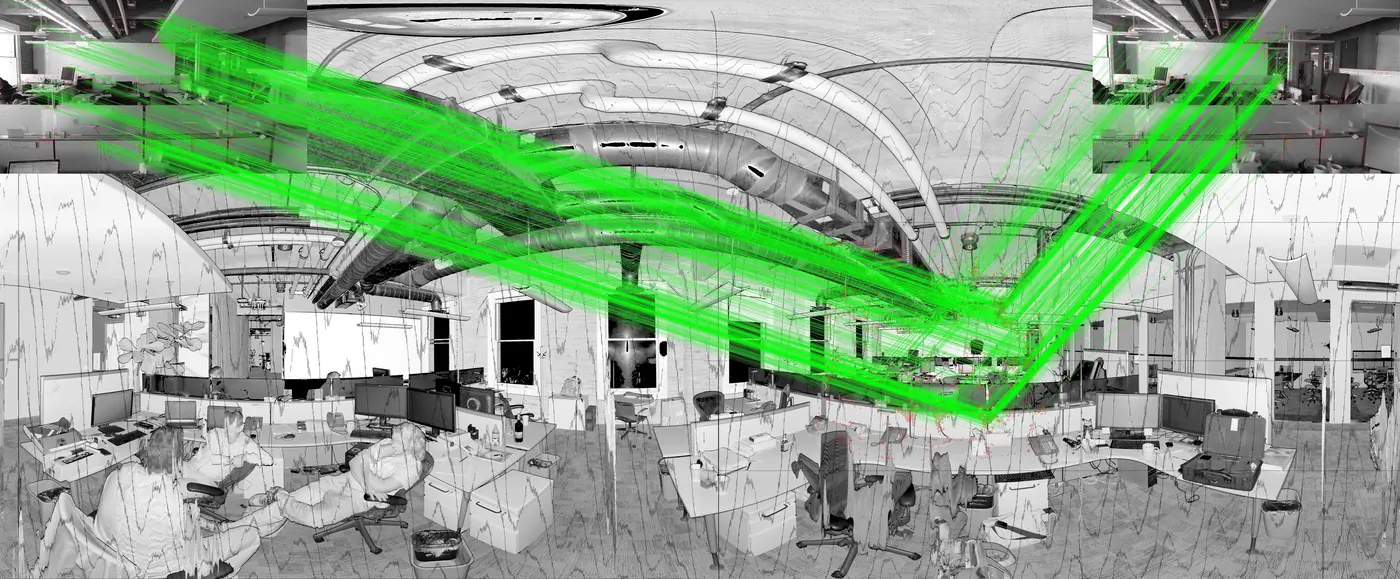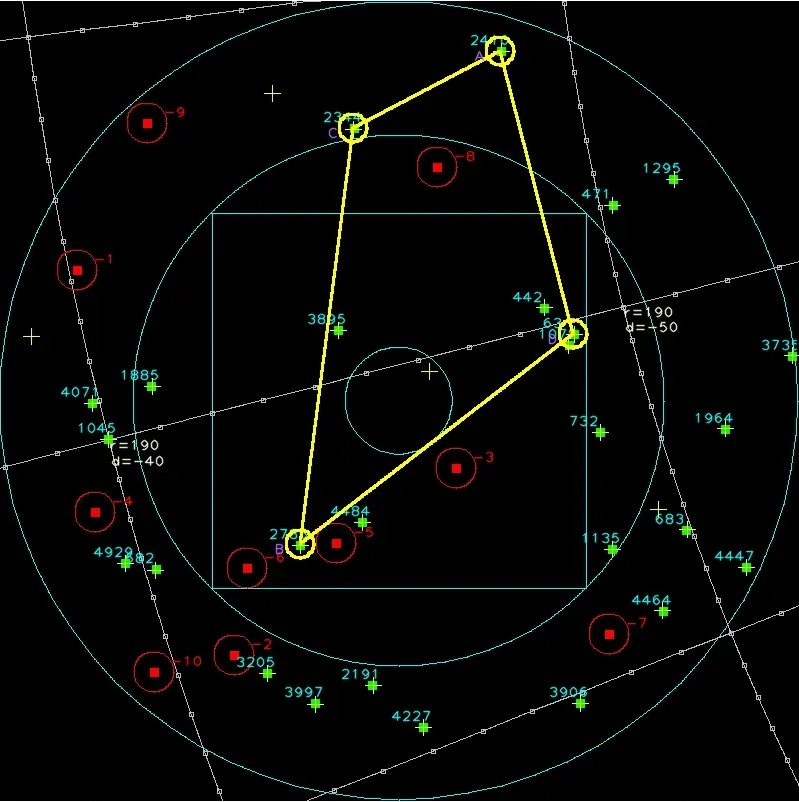
A star tracker recognizes star patterns, such as constellations, and estimates a spacecraft's orientation using an on-board camera. At initialization, typically nothing but the captured image is available; this is called Lost-In-Space (LIS) mode. First, star extraction finds point-like locations in the image. Then star identification matches those points against a star catalog. The attitude is computed from these correspondences.
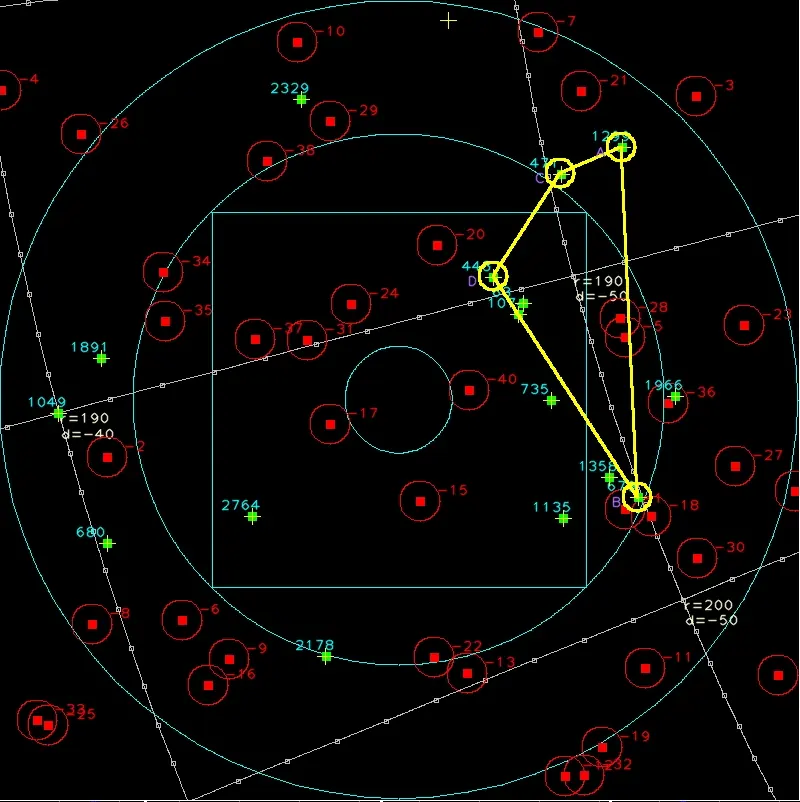
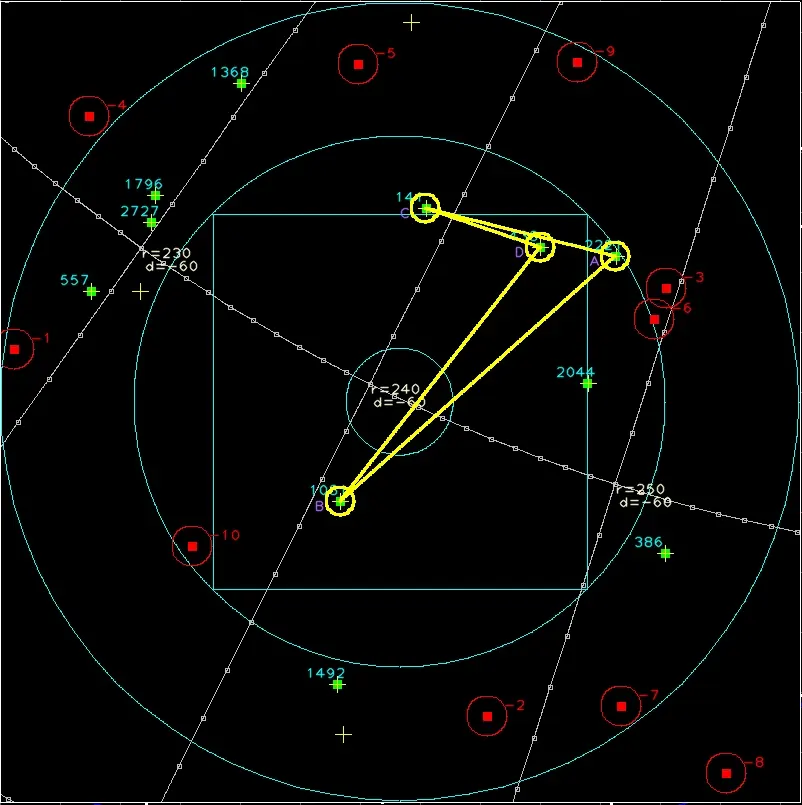
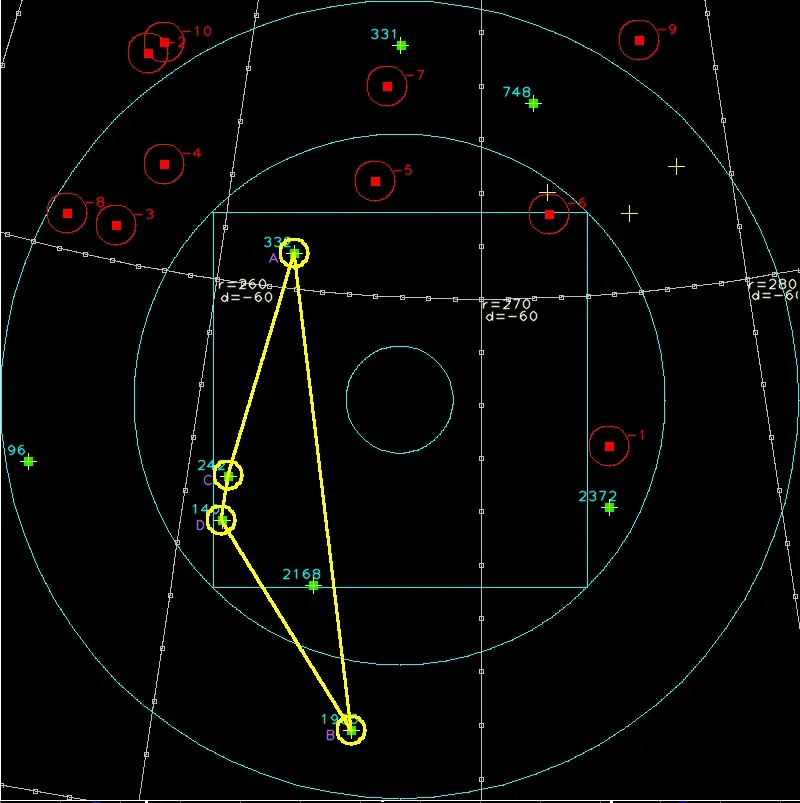
The literature offers many identification methods: inter-star angles, distribution patterns, calibrated magnitudes and more. We randomly group four stars and compute a geometric signature from their positions on the image plane. The signature is invariant to scaling, rotation and permutation.
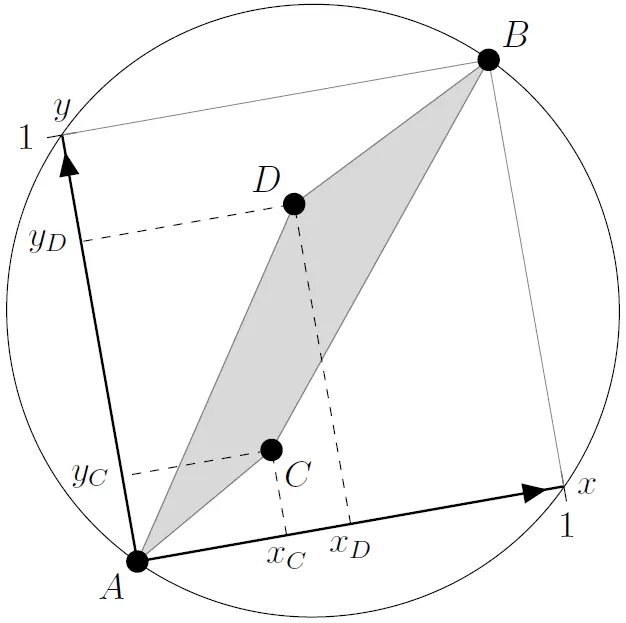
Using this signature and known camera parameters such as the field of view, we index the catalog for all possible looking directions. We render what a star frame would look like in each orientation, group the visible stars, and compute their signatures, giving an index of star groups and signatures. At query time, star-like regions are extracted from the image, formed into quads, and looked up in the index.

What makes it hard
- Radiation in space creates false star-like images on the sensor, so extraction must tolerate false stars.
- Noise and radiation can also hide real stars.
- Star-tracker hardware has little RAM and a CPU orders of magnitude slower than a modern PC, because of power limits.
The catalog must therefore be indexed to tolerate false stars, missing stars and under-represented viewports. Our star-grouping algorithm forms groups from real stars even under heavy radiation.
Publications
- E. Tola, M. Soysal. Effects of Star Extraction Artifacts on Blind Attitude Determination. International Conference on Image Processing (ICIP), 2014.
- M. Soysal, E. Tola. Yıldız Çıkarma Hatalarının Uydu Yönelimi Bulma Başarımı Üzerindeki Etkileri. IEEE Sinyal İşleme ve İletişim Uygulamaları (SIU), 2014.